Weekend planning often feels like a chore when everyone has different ideas. One person wants a quiet park day, but someone else prefers a loud arcade. This variety of interests makes it hard to find a path that keeps every person happy.
Finding a middle ground is difficult without a clear system in place. These interactive methods turn the selection process into a fun game for everyone. They help move the focus from arguing about chores to enjoying quality time with your loved ones.
Sometimes the hardest part of planning is just making a final choice. Using options like a PickerWheel is a great way to let fate decide where the group goes. This method removes the pressure of picking from any single family member.
It works by letting everyone add their favorite idea to a list. The spinning motion creates suspense and excitement as the needle slows down. Every person watches with anticipation to see where the pointer lands.
This tool is fast and free for anyone with a smartphone or computer. It stops the long debates that usually happen before lunch on a Saturday. You can save your lists to use again during future holidays or school breaks.
Asking for input helps everyone feel like their voice matters during the weekend. A travel survey report mentioned that 95% of parents make their family's happiness and entertainment a top priority. Giving kids a chance to vote helps meet this goal.
You can use a simple whiteboard or a digital poll to collect these preferences. Seeing everyone's top choices helps identify common interests quickly. It creates a sense of fairness that is missing when parents make every single choice.
Getting every person to vote makes the final decision feel fair. It prevents the same loud voices from dominating every conversation. You might find that everyone actually wants the same thing after all.
Gaming is a unique way to let younger members of the house take charge. One expert blog pointed out that video games allow children to lead and share their wisdom with adults. This role reversal makes the decision process feel like a reward.
Letting the winner of a quick match pick the activity builds excitement. This approach turns a simple decision into a mini-celebration of skill. It is a perfect way to spend a rainy morning before heading out.
Kids love having the power to choose the next big outing. It builds their confidence and keeps them engaged with the rest of the group. Even a short 10-minute round of a racing game can settle the debate.
Brackets work for more than just professional sports tournaments. You can list 8 different activities and pair them off against each other. This visual guide helps the group see all the possibilities in one place.
The family votes on each pairing until only one champion remains. This system guarantees that the final selection is the most popular option. It eliminates the idea that only one person wanted to do.
Testing ideas against each other reveals what people actually want to do. Here are a few common pairings you might try for your next bracket -
Writing ideas on small pieces of paper keeps things simple and tactile. Fold the slips so no one can see the suggestions before they are pulled. This creates a physical connection to the planning process.
The mystery of reaching into a jar adds a layer of surprise to Saturday morning. It prevents the same person from always getting their way. You never know if you will end up at the beach or the library.
Emptying the jar over several weeks creates a bucket list of fun. You can decorate the jar to make it look like a special part of the living room. It serves as a reminder of all the adventures waiting for the group.
Interactive challenges help families bond through shared effort. A recent article explained that mild competition and problem-solving help families improve their communication. Working as a team makes the final choice feel like a victory.
Set up a small treasure hunt where the final clue reveals the weekend destination. Working together to solve the mystery makes the eventual outing feel earned. It turns the whole morning into a memorable event.
Learning to cooperate under pressure is a great skill for kids to practice. It makes the journey to the park or zoo just as fun as the destination. These small puzzles create lasting memories before the main activity even starts.
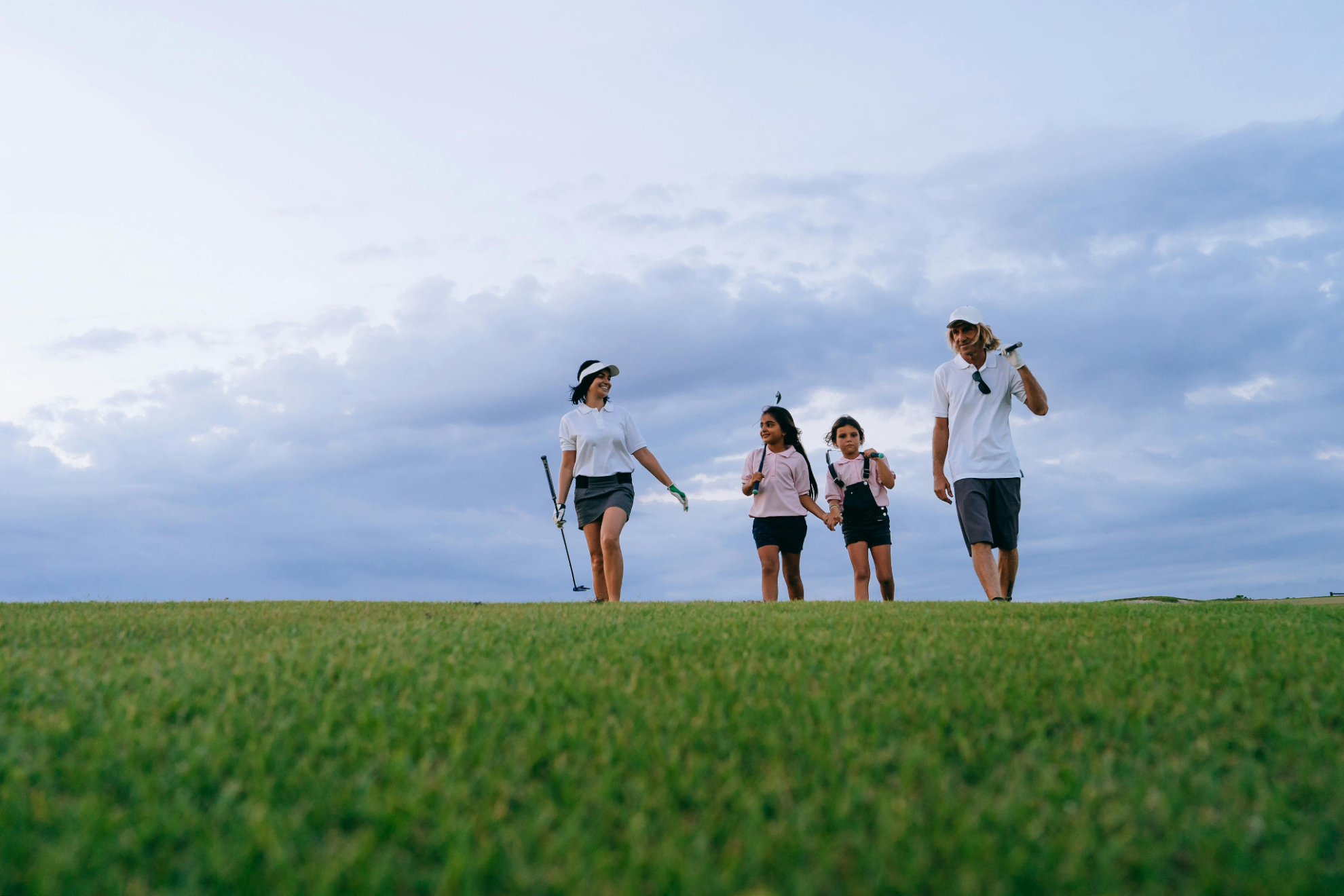
Deciding on a weekend plan doesn't have to be a source of stress. These interactive tools help shift the focus from arguing to having fun together. They turn a simple choice into an event that everyone enjoys.
Every family has a different dynamic that works for them. Try a few of these methods to see which one brings the most smiles. Start your next Saturday with a game and see where the day takes you.