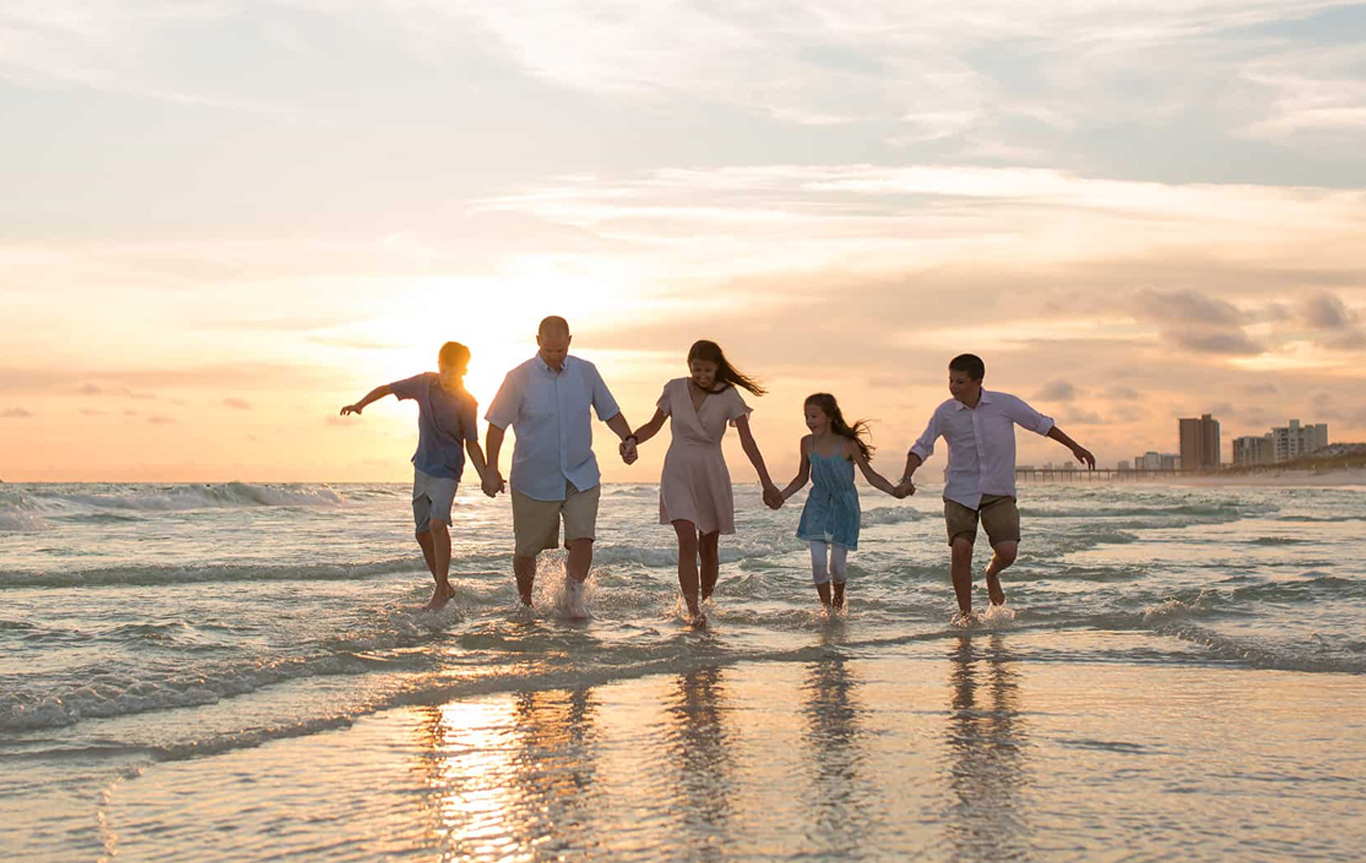
Imagine waking up to kookaburras laughing in the trees, stepping outside your door straight onto golden sand, and watching your children discover tide pools filled with starfish and crabs. This isn't a fantasy; it's what happens when families choose caravanning as their way to explore Australia.
For parents seeking adventure without sacrificing comfort, caravanning offers something truly special. You'll carry your accommodation wherever the road takes you, and create memories your children will treasure forever. To make the journey stress-free, many families choose NRMA Insurance early on to protect their caravan and enjoy peace of mind while travelling.
Are you ready to understand why so many Australian families are choosing caravans over hotels? Let's explore what makes this travel style perfect for exploring our incredible country with kids.
Traditional holidays can often feel rushed, with check-ins and outs, restaurant schedules and keeping noise down for other hotel guests.
When you holiday in a caravan, though, the script is flipped entirely. Your children wake naturally without alarm clocks, and breakfast happens whenever hunger strikes. When someone needs a nap, your bed is right there. There’s no packing and unpacking every few days, so you’ll avoid stressed transitions between hotels.
This flexibility transforms travel from stressful to genuinely enjoyable. Are your toddlers having a meltdown? Head back to base for quiet time. Do your older kids want to explore that rock pool for three hours? No problem; you're not paying by the night at this particular beach.
When holidaying in a caravan, you’ll discover that you actually relax instead of just surviving it. Caravan parents report feeling more present with their children, less worried about disturbing other guests, and more willing to let kids be kids.
Hotel rooms for four add up fast, as do restaurant meals and attraction tickets. Caravanning changes the equation: after your setup costs, accommodation expenses drop, many parks charge reasonable nightly rates, and free camping exists for adventurous families.
Cooking meals in your caravan saves hundreds weekly, with children snacking whenever they want and morning coffee no longer dependent on cafés. These savings free up your budget for experiences that truly matter — national park passes, wildlife encounters, or special activities your children will remember forever.
A little preparation goes a long way. Check your vehicle and equipment, understand road safety and towing, and plan travel distances so you can relax and focus on the fun — exploring, connecting, and making memories.
Geography lessons come alive when children watch landscapes transform from coastal to desert to rainforest. Science becomes tangible while examining rock formations millions of years old. History resonates differently when standing where explorers once stood.
Caravanning turns Australia into your children's classroom. They'll learn navigation by helping read maps, understand weather patterns by watching storm fronts approach, grasp basic mechanics when helping set up camp, and develop environmental awareness by experiencing different ecosystems firsthand.
These lessons stick because they're experiential, not theoretical. Children remember climbing sand dunes far longer than they remember textbook descriptions of erosion. Conversations around campfires about stars overhead teach astronomy more effectively than planetarium visits.
Parents often report their children developing new interests through travel. One discovers a passion for birdwatching after spotting sea eagles. Another becomes fascinated by geology after finding fossils. Travel awakens curiosity in ways classroom learning rarely matches.
Modern life scatters families in different directions. Parents work, children attend school and activities, and everyone stares at separate screens during downtime. Quality time becomes scarce and precious.
Caravanning naturally creates connection. Confined spaces mean actual conversation. Board games happen because there's genuinely nothing else competing for attention. Children and parents work together setting up camp, planning routes, and solving problems.
Shared challenges build family bonds. When everyone pitches in to set up awnings before rain arrives, or works together navigating tricky reversing into campsites, these become stories families retell for years. Overcoming minor obstacles together teaches children resilience while strengthening family identity.
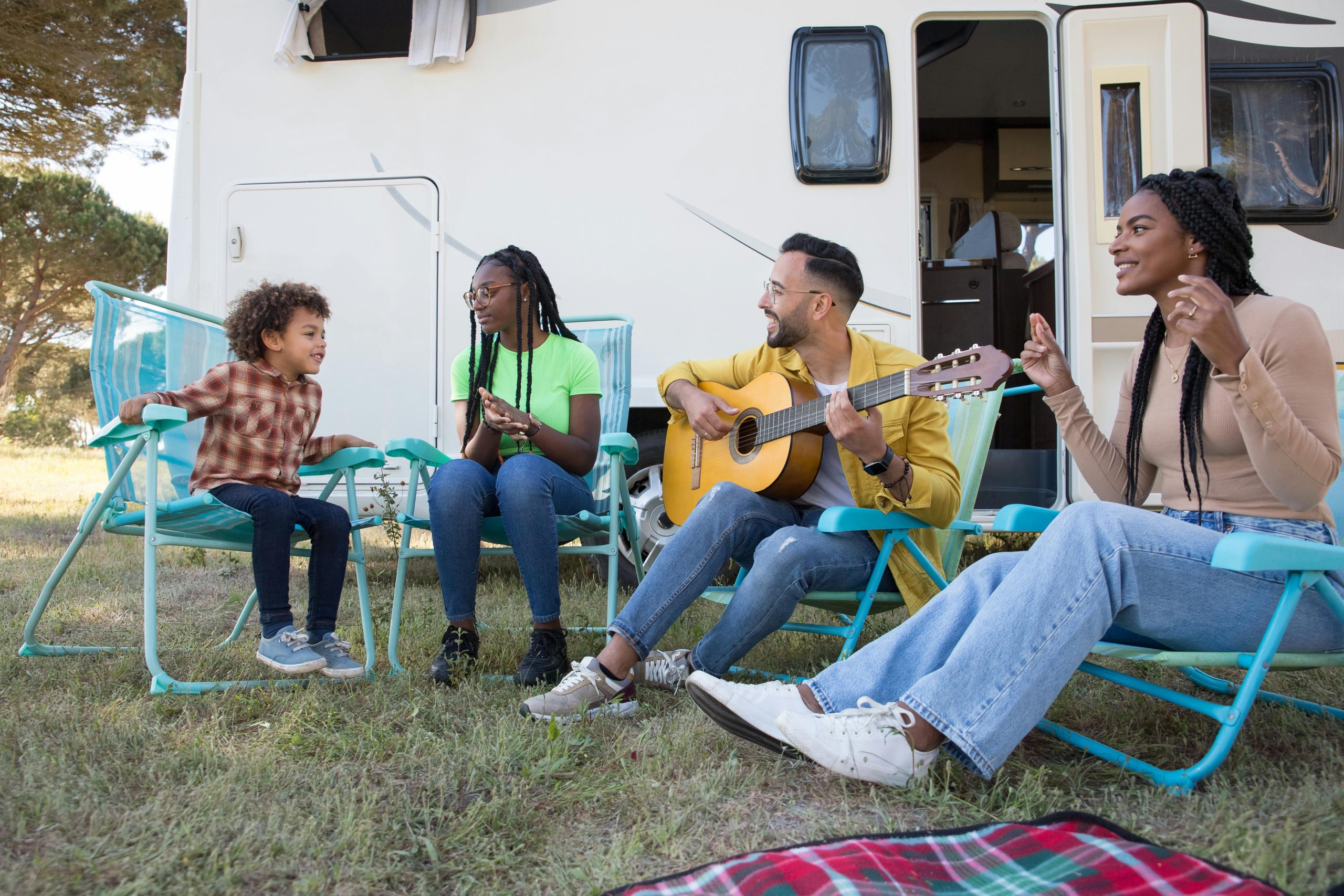
Evening campfires encourage storytelling. Children share what excited them that day. Parents reminisce about their own childhood adventures. Siblings play together instead of separately on devices. These moments of genuine connection become the treasure families carry home from trips.
Caravanning teaches children practical life skills they'd rarely develop otherwise. They learn responsibility by having assigned tasks, from filling water tanks to checking tyre pressures. Older children might help plan routes or manage budgets for attractions.
Problem-solving happens organically. What do we do when the planned campsite is full? How do we entertain ourselves without wifi? What's the best way to keep food cold in hot weather? Children watch parents tackle challenges calmly, learning resilience and adaptability.
Social skills develop through meeting other travelling families. Children discover making friends with strangers, respecting shared spaces, and navigating different family cultures. These experiences build confidence and social intelligence that schools struggle to teach.
Self-sufficiency grows as children take ownership of their space. They'll organise belongings in limited storage, maintain cleanliness in shared quarters, and contribute to meal planning and preparation. These aren't chores imposed by parents, but necessary participation in family life on the road.
Not all destinations suit families equally well. Some caravan parks cater specifically to retirees, while others lack child-friendly amenities. Knowing where to head makes an enormous difference in your experience.
New South Wales offers spectacular coastal routes. Jervis Bay combines pristine beaches with holiday parks featuring jumping pillows and playgrounds. The South Coast stretches from Nowra to Bega and rewards families with stunning scenery, wildlife encounters, and excellent facilities.
Victoria's Great Ocean Road provides jaw-dropping coastal views perfect for family photos. Apollo Bay and Port Campbell offer family-friendly caravan parks with easy beach access. Inland options like Echuca on the Murray River combine history with water activities children love.
Queensland's Sunshine Coast delivers year-round beach weather. Noosa, Caloundra, and Rainbow Beach provide excellent bases for exploring. Fraser Island offers adventurous families four-wheel-drive experiences and pristine camping spots.
Western Australia's Margaret River region combines beaches, caves, forests, and wineries (for parents). Perth's northern beaches offer protected swimming and abundant marine life. Rottnest Island camping delivers unique island experiences without flight costs.
Tasmania rewards adventurous families with uncrowded beaches, mountain landscapes, and abundant wildlife. Freycinet National Park, Bay of Fires, and Bruny Island rank among Australia's most spectacular family destinations.
If you’re looking for more inspiration on where to take your family, check out these top family-friendly destinations in Australia that combine natural beauty with practical amenities.
First-time caravanners often over-pack or under-prepare. Finding the right balance makes a huge difference between smooth sailing and constant frustration.
It’s best for you to begin with the basics, including:
- quality sleeping arrangements
- efficient kitchen setup
- adequate storage
- reliable refrigeration
- comfortable outdoor furniture
Invest in good annexes or awnings; they can double your living space and provide crucial shade on hot days.
Children need designated spaces for belongings. Small storage tubs, hanging organisers, and under-bed storage can all help to keep chaos manageable. Giving each of your children their own torch, water bottle, and small backpack for day trips can reduce your parental workload significantly.
Entertainment matters during travel days and bad weather. Some great options include:
- audiobooks
- travel games
- colouring supplies
- tablets with downloaded content
Outdoor toys like bikes, scooters, balls, and beach gear ensure children stay active at destinations.
Safety equipment is non-negotiable. First aid kits, fire extinguishers, smoke alarms, and a proper towing setup protect your family. Many parents add child tracking devices for older children who want independence, exploring large caravan parks.
Families who embrace caravanning often talk about it helping with reconnection, something that feels lost in daily routines. Parents describe actually talking with children instead of just coordinating schedules.
Many families start tentatively, with renting caravans for weekend trips. Those who enjoy the experience almost universally buy their own caravan within a year. The freedom becomes addictive; spontaneous weekend getaways replace planned hotel bookings.
Another thing that’s been noted with caravan travel is how adaptable children are. Kids who seemed constantly bored at home become endlessly entertained exploring beaches, climbing rocks, and making friends at caravan parks. As a bonus, screen time naturally diminishes without resistance or arguments.
Families report feeling healthier overall, thanks to increased time outdoors, more physical activity, better sleep, and reduced stress that benefits everyone. Parents mention actually sleeping properly on holidays instead of lying awake, worried about overspending or missing booked activities.
Caravan parks foster neighbourliness rarely found in urban settings, which can be a surprise for many families. Children play together while parents share tips, recommendations, and sometimes campfire meals. These connections often extend beyond holidays, with families coordinating future trips together.
Starting feels overwhelming, but breaking your planning into steps makes it manageable. Begin by deciding your trip length. Weekend getaways are a good starting point, as they can help build your confidence before attempting longer journeys.
Choose destinations within comfortable driving distance initially. Two to three hours maximum for first trips allows you to return home if things genuinely aren't working.
Before you hit the road, research caravan parks thoroughly. Look for family-specific amenities like playgrounds, jumping pillows, swimming pools, and game rooms. Read reviews from other families, and not just general ratings. Contact parks directly, asking about family-friendliness.
If you plan on staying at a caravan park, book your accommodation ahead during school holidays and peak seasons. As a first timer, having confirmed bookings can reduce your stress.
Create simple meal plans. Pack ingredients for easy one-pot dinners, breakfast favourites, and simple lunches. Avoid elaborate cooking initially; you're learning systems while travelling.
Involve children in planning. Let them research destinations, help pack their belongings, and understand routes. Ownership increases enthusiasm and cooperation.
Pack an emergency kit including basic tools, spare bulbs, first aid supplies, and contact details for roadside assistance. Being prepared prevents panic during minor issues.
Start your first morning unhurried. Allow extra time for setup, getting organised, and resolving inevitable minor hiccups. Rushing creates stress when you're establishing new routines.
Caravanning's real magic isn't just about destinations or savings. It's about the transformation of family dynamics. When stripped of usual distractions and routines, families rediscover each other.
Children remember fishing at dawn with parents, not expensive theme parks. They recall laughter around campfires, not fancy hotel pools. Siblings reminisce about shared adventures, building lifetime bonds through travel experiences.
Parents often describe caravanning as reclaiming family life from the relentless pace of modern existence. Holidays become actual rest instead of rushed tourist marathons. Time together feels meaningful rather than obligatory.
These experiences can shape your children's worldviews. They develop an appreciation for nature, an understanding of Australia's vastness and diversity, and respect for different communities. Travel builds global citizens while exploring their own backyard.
Many families continue caravanning well into children's teenage years, when other family activities become difficult. Teenagers appreciate the independence caravan parks offer while still enjoying family time. These shared adventures create stories families retell forever.
Australia's incredible landscapes, friendly communities, and excellent facilities make caravanning with children genuinely achievable. You don't need expensive equipment or extensive experience; you need the willingness to try something different.
Start planning your first adventure today. Research destinations that excite your family, investigate caravan hire options if you're not ready to buy, and talk with children about where they'd love to explore.
Your family's caravan adventure awaits. Those memories you'll create together? They're waiting too, just down whatever road you choose to travel. Australia is enormous, beautiful, and ready to welcome your family's exploration.