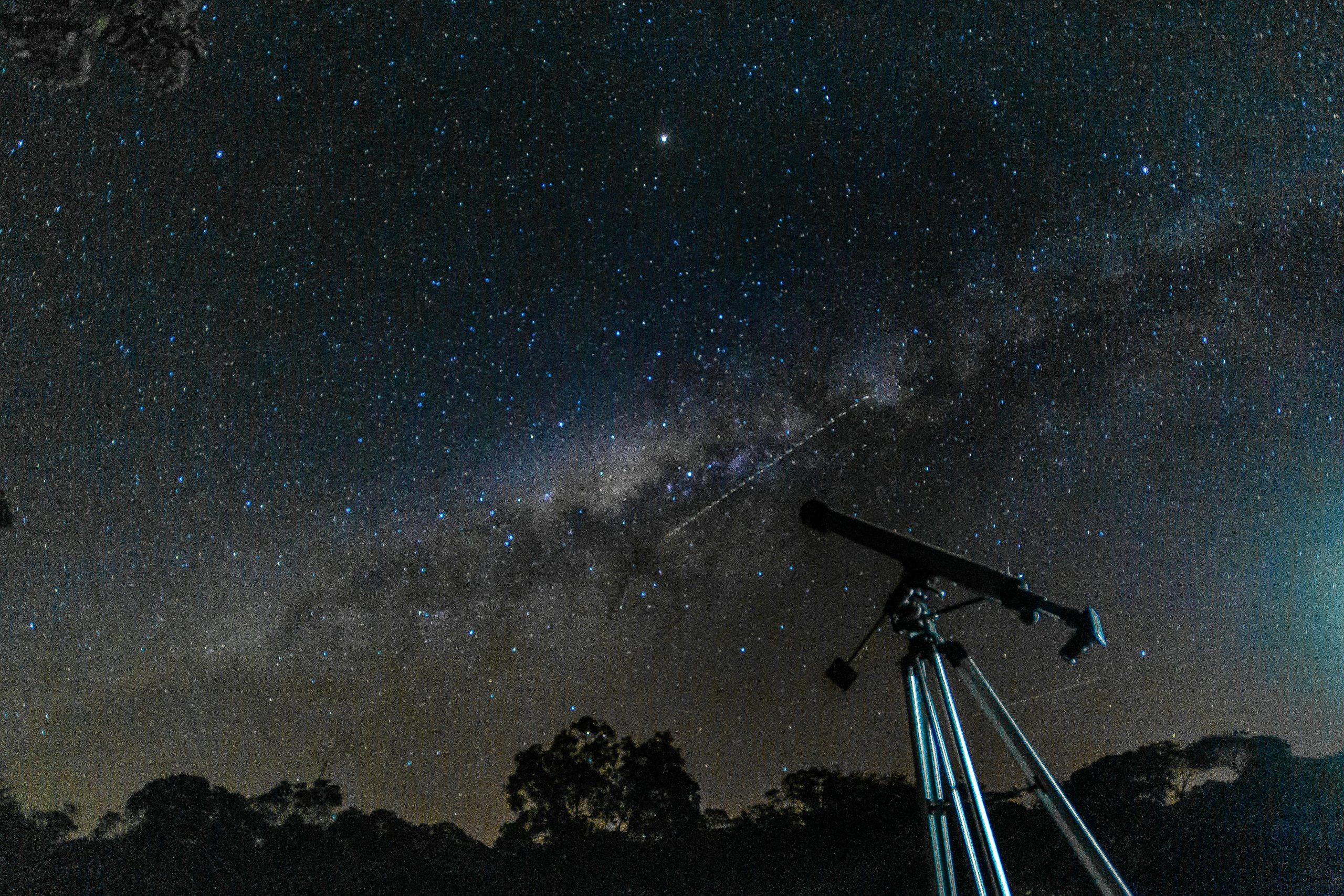
When the sun sets earlier in autumn, it’s not a signal to head indoors—it’s an invitation to a whole new world. In our regions, from the clear skies of Canberra to the dark horizons of the NSW South Coast and the NT, autumn is the time to go stargazing.
Why? Because the air is crisp (which means clearer views), and you can see the stars and still have the kids in bed by 7:30 PM. Here is how to turn your next autumn night into a core family memory.
You don't need a telescope to see the stars, but you do need to escape the city lights. Here are our top picks for each region:
Autumn nights are prime time for spotting Australia’s shyest locals.
| Activity | Region | Best Age | Cost |
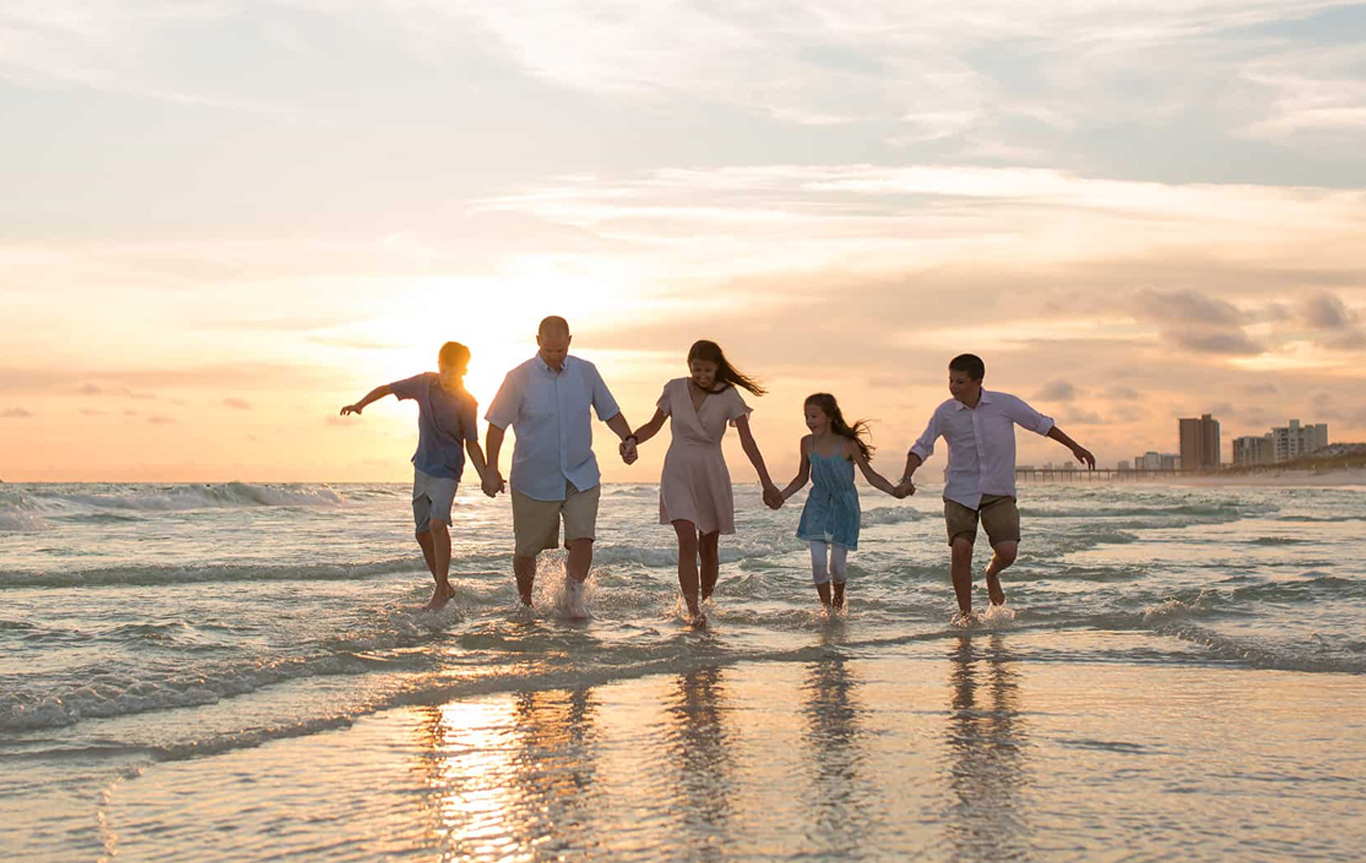
| Beach Stargazing | NSW South Coast / Perth | All Ages | Free |
| Observatory Visit | Canberra / Perth | 6+ years | $30 – $55 AUD |
| Night Nature Walk | TAS / VIC / ACT | 4+ years | Free |
| Backyard "Campout" | All Regions | All Ages | Free |
If you can't get to a dark sky park, bring the adventure to your backyard:
Turn off every light in the house and garden. It takes about 10–15 minutes for human eyes to fully adjust to the dark. This is the perfect time to tell "spooky" (but not too spooky!) stories or listen to night sounds.
Don't try to learn 88 constellations at once. Find the Southern Cross (Crux). It’s visible almost all year in the Southern Hemisphere. Once you find it, use it to find South!
Pack a rug, beanies, and a thermos of hot Milo. Laying flat on your back is the best way to avoid "stargazer’s neck" and makes the sky feel even bigger for little ones.
Evergreen Survival Tip: The temperature drops fast in autumn. Even if the day was a "t-shirt weather" 22°C, assume the night will be 10°C colder. Layers are your best friend.