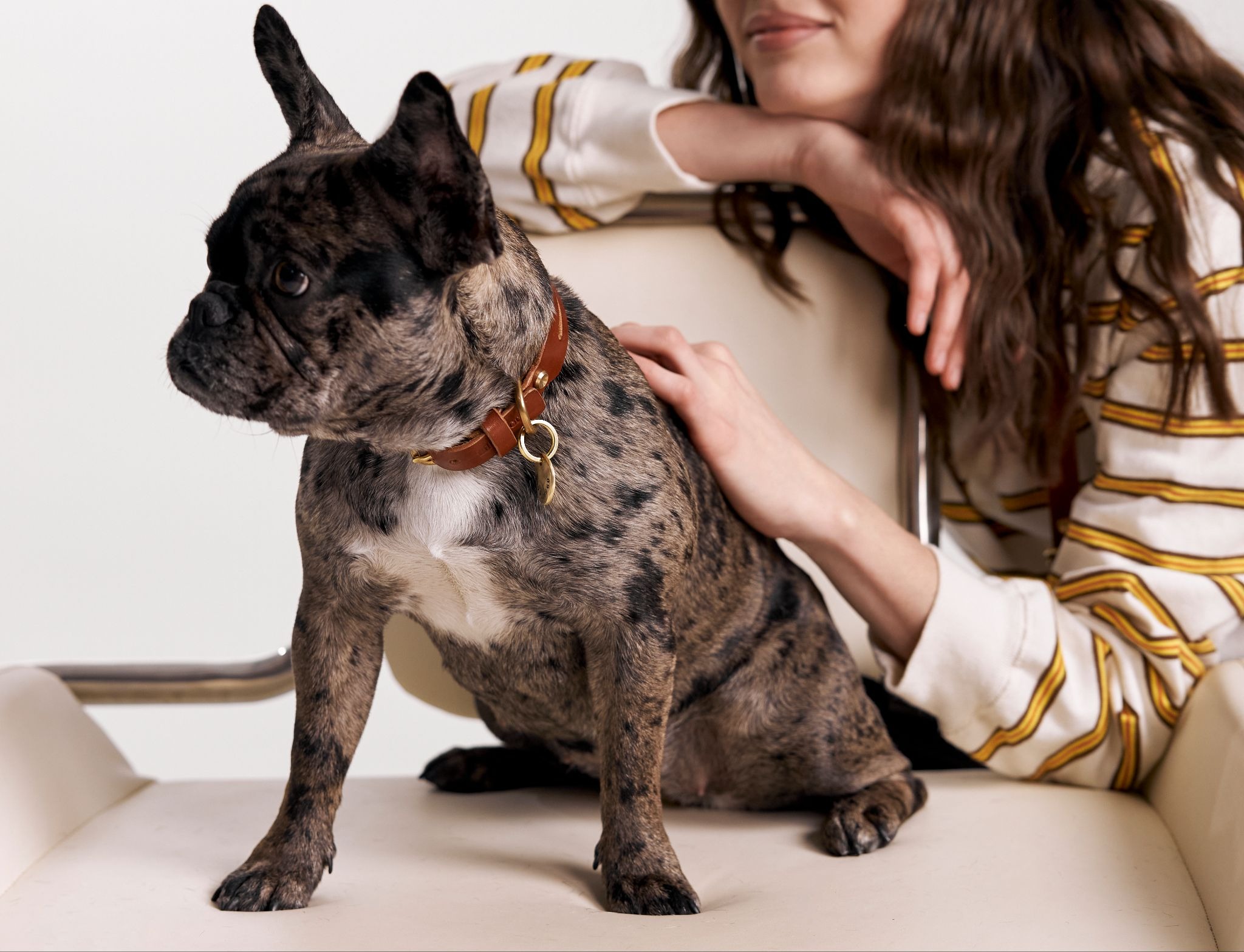
There is a checklist every family runs through before a new dog comes home. Vet visits get booked. Training classes get researched. Someone spends an entire Sunday puppy proofing the living room, moving power cords and shoes and anything remotely chewable out of reach. And somewhere in the middle of that list, almost as an afterthought, a collar gets grabbed off a hook at the pet aisle checkout. Ninety seconds, tops. Nobody reads the label. Nobody thinks twice.
That collar is usually the first thing that goes wrong.
It rarely announces itself right away. For most families it shows up as a small thing: the dog scratching at their neck more than usual, a bit of head shaking after a walk, a patch of fur that looks thinner than the rest. Pick the coat apart under the collar and there it is, a strip of irritated, sometimes raw skin where the collar has been sitting all along.
This is the point where most parents start actually reading about collar fit, usually at eleven at night with a worried dog on the couch beside them. The advice out there is fairly consistent: a collar should sit snug enough that it will not slip over the dog's head, but loose enough that two fingers slide comfortably underneath. Too tight and it rubs constantly. Too loose and it drags, twists, and catches on things, which chafes just as badly in a different way. For a growing puppy, that fit needs checking every few weeks, not set once and forgotten.
Fit is half the story. The other half is what the collar is actually made of.
Most mass produced collars are built from synthetic webbing, sometimes wrapped in a printed or coated layer to make them look nicer in a photo. That coating is usually bonded on with adhesive, and bonded layers do not breathe. Trapped moisture and friction against the same narrow strip of skin, day after day, is exactly what turns a normal walk into a slow, low grade irritation. It is not usually one bad walk that causes the damage. It is the thousandth ordinary one.
Full grain leather behaves differently, largely because of how it is put together. A single piece of leather, with no bonded or laminated layers, lets air move against the skin instead of trapping it. That structural difference, not a marketing claim, is what makes the day to day experience so different for the dog wearing it.
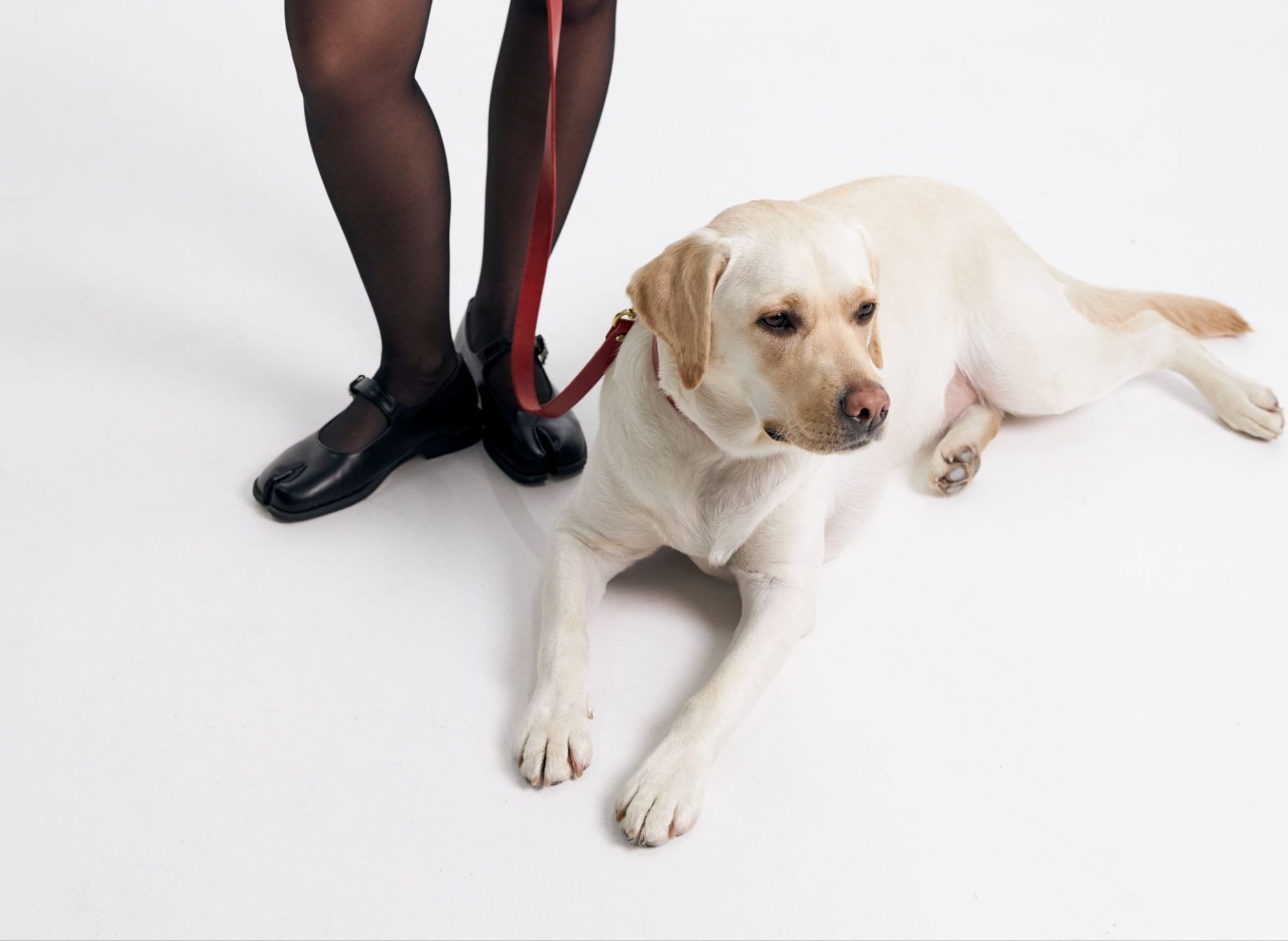
Here is the part that surprises a lot of first time buyers: quality vegetable tanned leather does not start out soft. It starts out firm, almost stiff, and it breaks in gradually over the first weeks of wear, gently shaping itself to the exact curve of that particular dog's neck. It is a slower kind of comfort than a synthetic collar that feels soft in the packet and then hardens or frays within a season. But it is a comfort that is actually earned through wear, rather than manufactured in a factory to feel good for the first five minutes on a store shelf.
This is really what people mean when they go looking for soft dog collars not a collar that is squishy out of the box, but one that stops being a source of friction against the dog's skin once it has settled in. That distinction matters more than the word "soft" usually gets credit for.
Hardware plays its part too. Solid brass fittings resist rust and corrosion far better than the plated metal used on cheaper collars, which matters a great deal for a family dog who is in and out of sprinklers, creeks, and rainy school runs without much regard for what is practical.
There is something quietly satisfying about objects that age alongside a family instead of just wearing out. The stroller wheels that develop their own particular squeak. The back door that sticks a little more every winter. A leather collar belongs in that category. Over months and years it darkens, softens further, and picks up small scuffs and creases from actual use, a process leather is genuinely one of the few materials that improves with time rather than simply degrading.
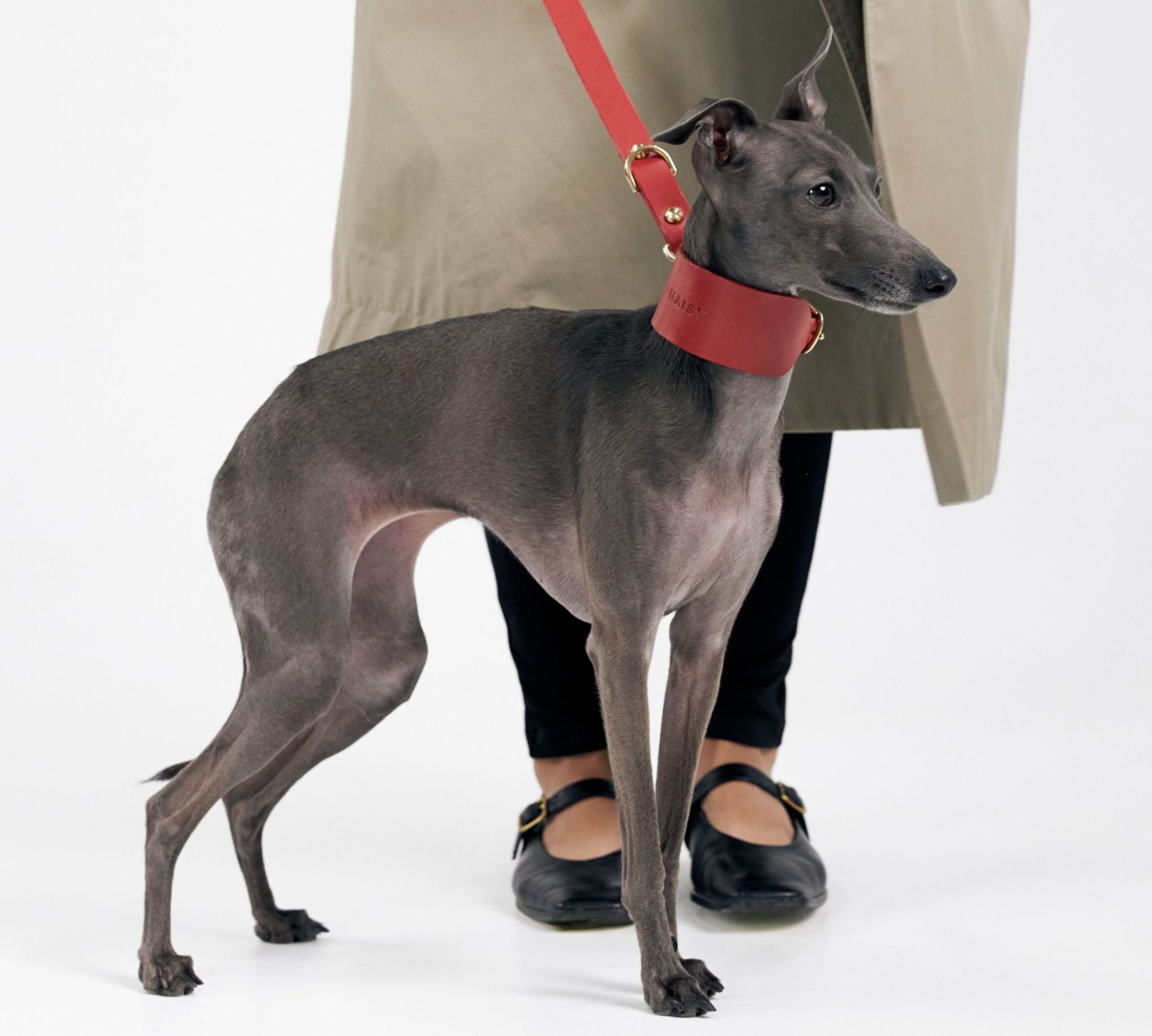
None of this requires overhauling how a family gets out the door for a walk. It comes down to a habit that takes less time than finding everyone's shoes:
Nobody warns new dog owners about the collar. It gets treated as the easiest item on the list, grabbed in the same ninety seconds as a bag of treats. But it sits against a dog's skin for most of their waking hours, on every school pickup, every weekend market trip, every ordinary walk around the block. Getting it right the first time, or fixing it once the bald patch shows up, is one of the smaller decisions in family dog ownership that ends up mattering the most.