Start with a simple brief: who lives here now, and who might live here in 5 or 10 years. List must-haves and nice-to-haves, then rank them so tradeoffs are easier later.
Put time on the calendar to walk the site together. Note light, views, pinch points, and noisy neighbors. This keeps the plan grounded in everyday life, not just floor plans.
Map daily routes: entry to drop zone, kitchen to table, bedrooms to bath. Short, clear paths cut stress and reduce trips and falls.
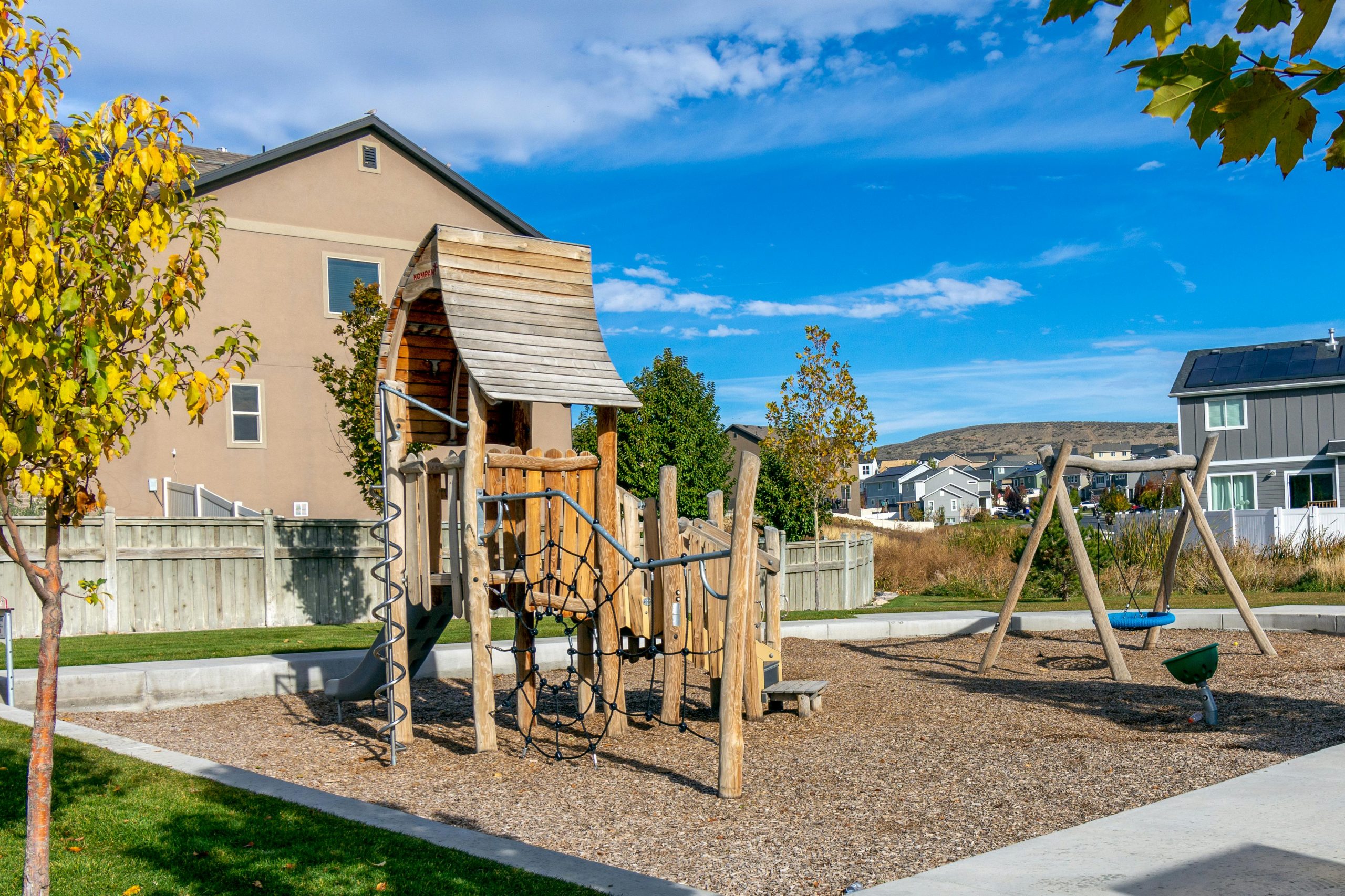
Layer in kid zones and quiet nooks. Low storage helps little ones help themselves, and sightlines from the kitchen to the yard boost peace of mind.
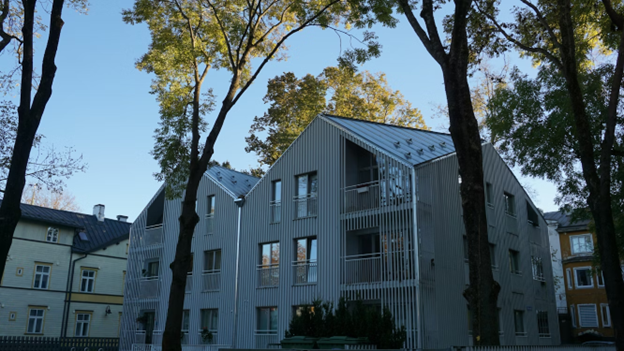
Choose materials that handle kids, pets, and weather. Hardwearing floors, wipeable paints, and durable exterior cladding reduce weekend chores and long-term costs.
Natural options can be both sturdy and comfortable. When you want a deck or screen that resists swelling and splinters, many families look at thermally treated wood as a low-maintenance option, and they match it with non-slip finishes. Always confirm textures around play areas and add shade where surfaces get hot.
Build a realistic budget with a 10-15% buffer for surprises. Split costs into site work, structure, systems, and finishes so you can shift money without losing the big picture.
Look for rebates and credits before you lock specs. The U.S. Department of Energy noted that insulation and air sealing can qualify for a federal credit when upgrades meet 2021 energy code requirements, helping families stretch their dollars.
IRS guidance says you can claim 30 percent, up to $150, for a home energy audit done by a certified auditor, which makes it easier to target the best fixes.
Good air is a daily gift. Specify balanced ventilation, sealed ductwork, and spot exhaust at baths and kitchens. Keep shoes, solvents, and hobby gear in a ventilated mudroom or shed.
A national lab study that measured indoor air in newer homes across the Southeast highlighted how building quality and ventilation choices affect everyday air.
Take the cue by pairing tighter envelopes with right-sized fresh air systems and filters, and add door sweeps and acoustic insulation to keep bedrooms quiet at night.
Families run on schedules. Sketch a start date, key milestones, and move-in targets, then confirm who needs to be home for inspections or deliveries.
Pick builders who communicate clearly. Ask for weekly site photos and a running punch list, so small issues are fixed before they become big ones. Keep a shared checklist for permits, selections, lead times, and warranties.

Design rooms that can change jobs. A nursery might later be a study, and a guest room could become a grandparent suite. Plan blocking in walls for future grab bars and a shower that can convert to a roll-in.
Run extra conduit to TVs, desks, and the garage. Smart switches and sensors can help with safety and energy use, and wiring now is far cheaper than opening walls later.
A family-centered home is built in layers: safe flow, low-stress materials, clean air, and a budget that leaves room for life. Keep plans flexible, choose finishes that work hard, and let daylight and fresh air do their quiet magic.