
Family trips are exciting, but they can leave your home and valuables exposed. A little planning keeps stress low and everything accounted for. Start by deciding what you truly need on the road and what can stay behind.
Then match items to the safest option. Some things ride with you, some belong in secure storage, and some are better left with a trusted person. Label clearly, photograph valuables, and make a short checklist so the whole family can track what goes where.
Begin with a quick home walk-through to spot items that are high-value, sentimental, or important for daily life. The goal is to shrink what you carry while raising the security of what stays behind. If you need local flexibility near the Inner West, consider secure options like storage leichhardt to hold non-essentials. Finish by grouping items into carry-on, checked, and stored piles so nothing drifts between categories.
Create a simple inventory that lists the item, location, and who is responsible for it. Snap a photo of each item and its serial number if it has one. Keep a digital copy that the whole family can access.
Add time markers to your plan. Schedule the storage drop-off the day before departure, and set a reminder to retrieve items the day after you return. Small calendar nudges prevent last-minute scrambles.
Reduce obvious signals that no one is home. Use timers for a few lights, pause subscriptions, and ask a neighbor to collect any stray flyers. Avoid posting travel details publicly while you are away.
Store cash elsewhere and put jewelry in a locked safe or off-site. A NSW Police holiday checklist highlights the importance of not leaving cash at home and securing valuables in safe locations, which is a practical step families can follow.
Check that windows, side gates, and the garage are locked, and that outdoor tools are put away. If you use a home alarm or camera, test it before you leave. Share emergency contact details with a trusted neighbor or family member.
Plan for mail and parcels so nothing piles up. Temporarily redirect mail or use a hold service. For must-arrive packages, schedule delivery to a staffed location or a trusted person instead of your empty porch.
Coordinate pickups for dry cleaning, prescriptions, or school items before you depart. Keep a small list of places and hours, and note who will collect each item. Share the plan in your family chat so everyone stays aligned.
When you travel, keep critical items on your person or in your carry-on. That includes passports, devices, medicines, and daily-use chargers. Separate backups like spare cards and a small emergency cash stash into a second secure spot.
Avoid leaving bags out of sight. Australia’s Smartraveller guidance notes that unattended belongings may not be covered by insurance, and you should keep them close while in transit or exploring. Use locks on zippers, keep daypacks closed, and secure luggage with a cable when you can.
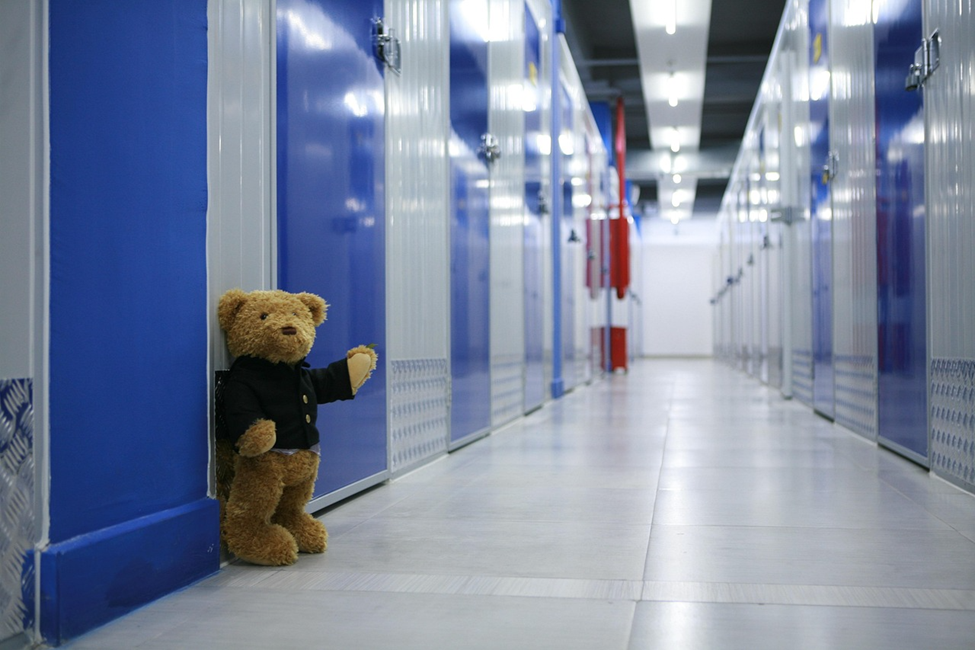
For items stored off-site, choose sturdy boxes and label on two sides. Use soft wrap for breakables, and place heavy items at the bottom. If storing electronics, remove batteries, and keep cords bundled. A short content list taped to the box helps you find things quickly on return.
No trip is perfectly predictable, but a clear storage plan reduces the chance of loss. Think of it as a travel habit you refine each time, not a one-off task.
When you arrive home, reverse the plan. Retrieve stored items, check that everything is present, and update your inventory. A few minutes of follow-through keep your next getaway even smoother.