Did you know? Up to 1 in 6 children in Australia experience sensory processing difficulties, which often results in them becoming overwhelmed by noise.
The prevalence is even higher in children with conditions like autism spectrum disorder. In them, sensitivity can manifest in various ways, including everything from simple noise aversion to more significant distress.
For this reason, it is important to have a calming space at home or at school that can help your child reset, settle, and find comfort when they need a break. These spaces are simple to set up. But they make a real difference to children who feel overwhelmed or overstimulated.
In this post, we’ll show you how you can create one. Hopefully, your child will benefit from it.
Some children are naturally more sensitive to their surroundings, which is why loud noises, bright lights, busy rooms, and fast-changing environments can quickly get on top of them. When this happens, many kids struggle to regulate their emotions. This can lead to tears, frustration, or a strong urge to hide in a quiet place.
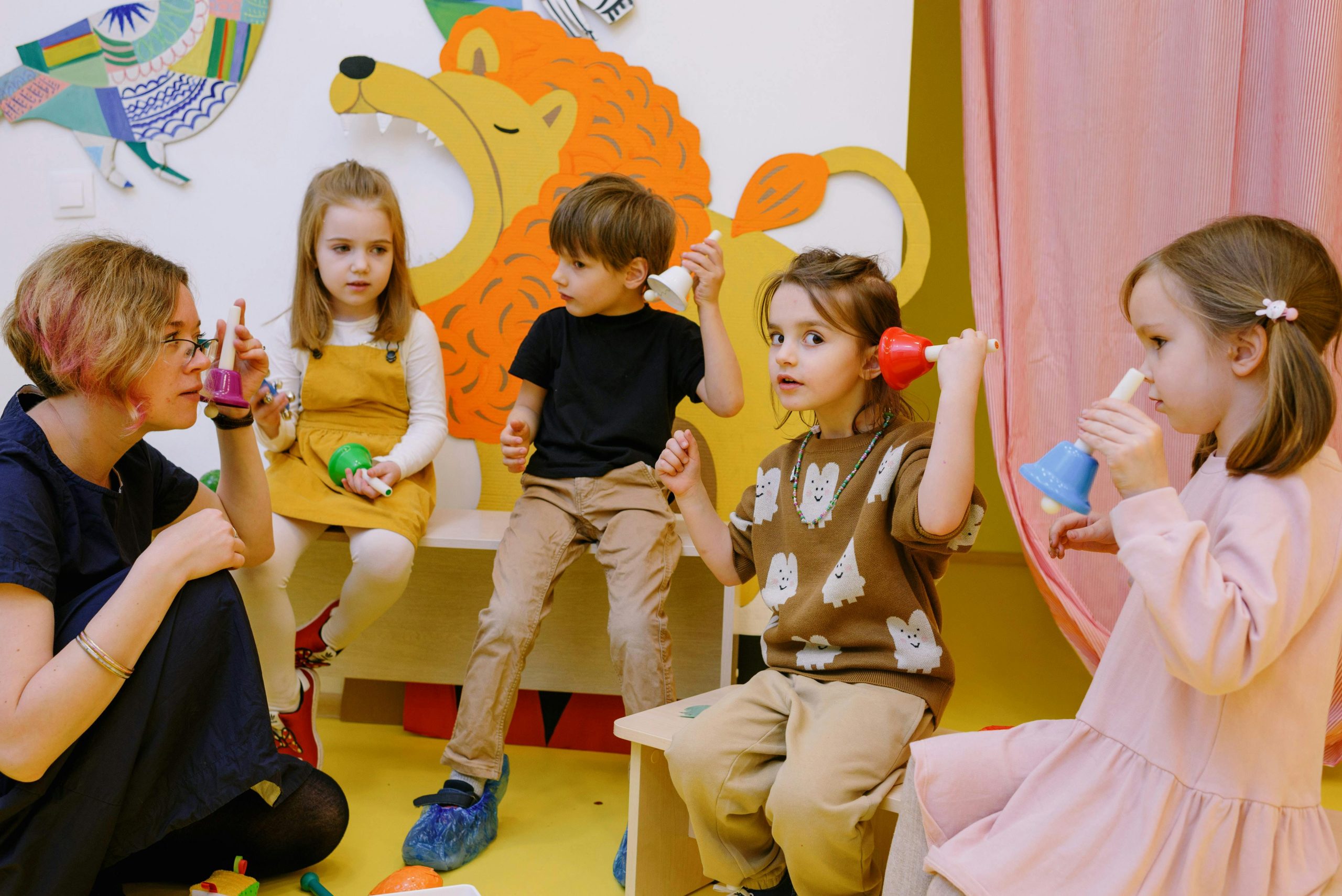
From a young age, parents often notice early signs of overstimulation in their child. This can manifest as them covering their ears, withdrawing from the group, or becoming upset without a clear reason. Some children may describe it as feeling “too full” or “too noisy inside.”
While kids with anxiety, ADHD, autism, or sensory processing differences may feel this more often, most children are prone to becoming overwhelmed. Therefore, the more you can recognise these signs, the more you’ll be able to help them step away, regroup, and return to activities in a calmer state.
When kids become overwhelmed, it is important for them to be able to retreat to a space that feels calm and safe. Doing so helps to settle any anxiety they might be experiencing, reduces the severity of any meltdowns and lessens the emotional overload.
Having such a space at their disposal is vital for them because it provides a safe haven they can escape to when required. When children realise they can use the space before they reach a breaking point, they can navigate their mornings, after-school transitions, and bedtime routines much more easily.
For kids to feel at their calmest, the space they withdraw to has to be comfortable. Typically, this means it has to be furnished with soft textures, gentle colours, and familiar objects that create a sense of security. It also helps to have good-quality Knightsbridge Furniture for them to sit or lie on, as well as soft lighting.
The latter is especially important because lamps, warm fairy lights, or dimmable bulbs can all help to reduce overstimulation. At the same time, natural elements like plants, stone and wooden items help to create a grounding mood.
In some spaces, simple sensory-friendly materials such as felt, soft fabric squares, or plush toys can provide children with tactile options for comfort. Similarly, thick curtains, white noise machines, and soft music can help to reduce unwanted noise.
When setting up a calming space for a child in a home, school, or other environment, it is essential to choose a spot that feels private and cosy.
Children respond well to areas that feel tucked away and peaceful. So, when raising them, it is a good idea to centre them around a bedroom corner, a quiet nook, or even a small space behind a bookshelf.
As they will mostly spend time in this room when they need to decompress strong emotions, it would help to furnish it with sensory tools that will help them relax. This includes stress balls, soft toys, bubble timers, and simple mindfulness cards, which should help them to better manage emotional moments.
It will also be beneficial to include some personal touches to help your child connect with the space. Incorporating their favourite colours, comforting objects, or small decorations will all make the area feel that little bit more special.
Perhaps most importantly, keep everything simple, safe, and tidy where possible. Maintaining a clear layout will help to reduce their sensory load.
While every child benefits from a quiet space, their needs may differ markedly. For instance, kids with anxiety may respond well to soft blankets, gentle lighting, and steady routines. That’s because these elements offer familiarity and reassurance.
Similarly, children with ADHD often enjoy movement-based tools. So, a soft floor pad, a wobble cushion, or a small rocking chair can help them settle without feeling restricted. Many often prefer short, calming breaks that reset their focus.
Autistic children tend to appreciate structure and predictability. Therefore, a space with clear boundaries, simple colours, and weighted items can create a strong sense of safety for them. At the same time, highly sensitive kids sometimes need the gentlest environment, which is why soft textures, minimal noise, and natural elements are often included within the design to help them feel grounded.